Understanding the Force: How Air Blasters Keep Industry Moving
Ever stared at those huge silos or hoppers in a factory and wondered how they don’t just clog up all the time? The secret is actually pretty simple—a device called an air blaster. These machines pack a punch, using stored compressed air to blast away stubborn build-up and keep everything flowing.
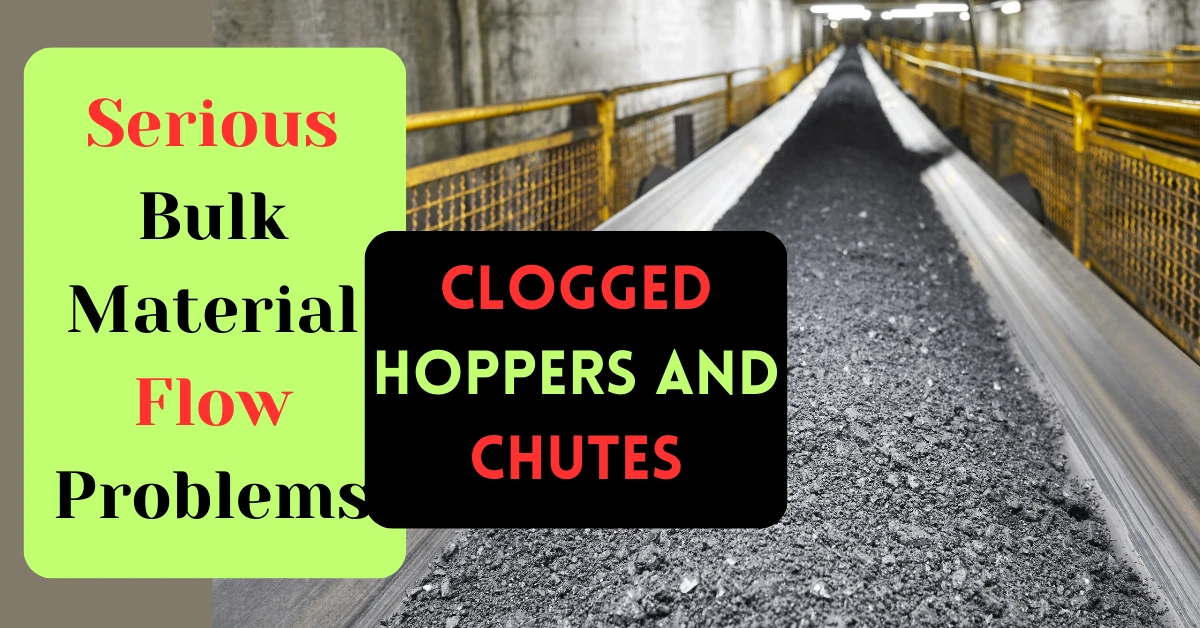
Clogged hoppers and chutes drain productivity, inflate maintenance costs, and introduce safety risk—proactive flow-aid is not optional; it’s essential.
Ubon India Engineering Team
The Core Mechanism: A Burst of Power
How do they work? Picture this: an air blaster sits quietly with a tank full of compressed air. When something gets jammed—maybe material bridges across an opening or forms a tunnel—a signal tells the valve it’s go time.
The valve snaps open, and all that air rushes out at once, shooting through a nozzle into the stuck material. That shockwave breaks up whatever’s in the way, and just like that, flow is restored. It’s way better than hammering on the side of a bin or relying on vibrators.
Performance and the Critical Role of Air Pressure
usually need lower pressures, around 60 to 80 PSI. That’s enough to stir things up without wasting air or putting too much stress on the equipment. But if you’re dealing with heavy stuff like iron ore, wet sand, or caked-up chemicals, you need to crank the pressure much higher—sometimes up to 150 PSI or more. The more pressure, the stronger the blast, and the better it can tear through tough blockages.
Getting the pressure right is a balancing act. Too little and nothing moves; too much and you’re just burning through energy and wearing out your equipment. The goal is a steady, reliable flow without wasting resources.
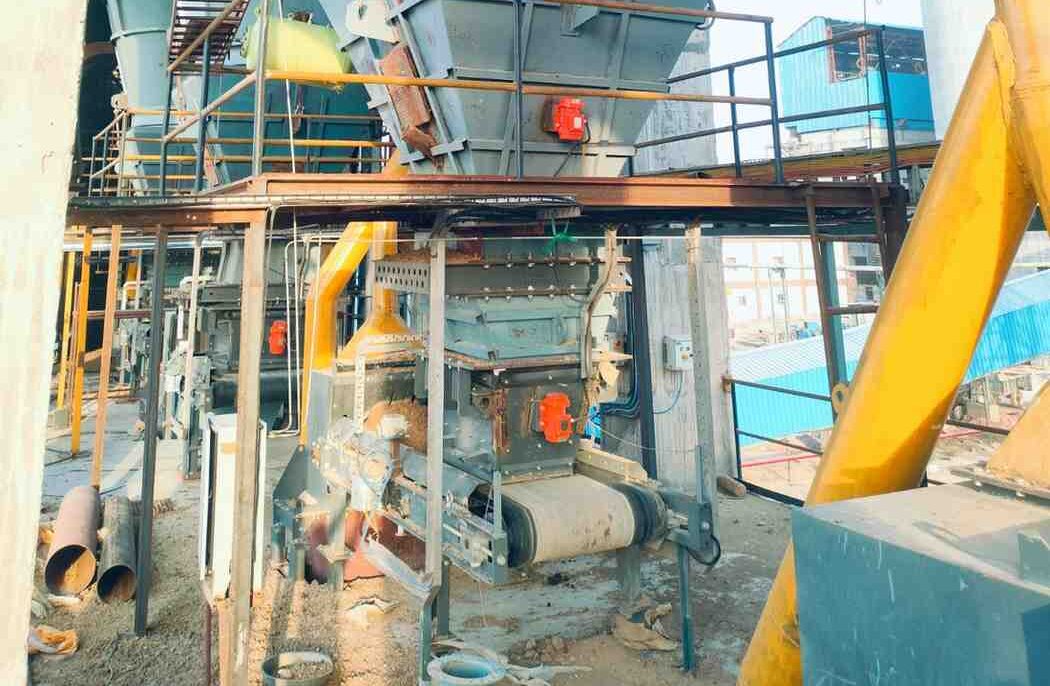
An air blaster system isn’t just a tank and a nozzle. It’s a package: you’ve got the air receiver (that’s your power reserve), the control panel (the brains, timing everything), and the nozzle (aiming the force exactly where it needs to go).
You’ll find these systems almost everywhere—cement plants, steel mills, power stations, mines, chemical factories, even in food processing where hygiene matters. They’re handling everything from limestone and coal to sugar and plastic pellets. Companies like Ubon India build these setups specially for tough, industrial jobs.
In the end, whether you call it an air blaster or an air cannon, the idea stays the same: hit the problem hard and fast with a blast of air. When plant managers understand how these things work—how the tank, the controls, and the nozzle all fit together, and why air pressure is so important—they can keep their operations running smoothly. Blockages don’t stand a chance.